Block
Indian Institute of Management Calcutta in UAE

Executive Programme on
AI, Data Science & Business Analytics

Indian Institute of Management Calcutta Campus

#1

First IIM of
India

#1

No.1 in BT-MDRA Best
B- School Survey 2023

#1

First Triple
Accredited Institute in India

#45000

Total Number
of Alumni
Indian Institute of Management Calcutta in UAE

Executive Programme on
AI, Data Science & Business Analytics - Batch 03

Indian Institute of Management Calcutta Campus

#1

First IIM of
India

#1

No.1 in BT-MDRA Best
B- School Survey 2023

#1

First Triple
Accredited Institute in India

#45000

Total Number
of Alumni
Block
Leading UAE's Executive Education Since 2007

The Fully Face to Face programme from IIM in Dubai

IIM Faculty

7

Core Modules
Case Studies &
Live Simulations

800+

Alumni in UAE
Leading UAE's Executive Education Since 2007

The Fully Face to Face programme from IIM in Dubai

Indian Institute of Management Calcutta Campus

20+

Faculties

10

Core Modules

8 Rounds

Management
Simulation Games

800+

Alumni in UAE
Block
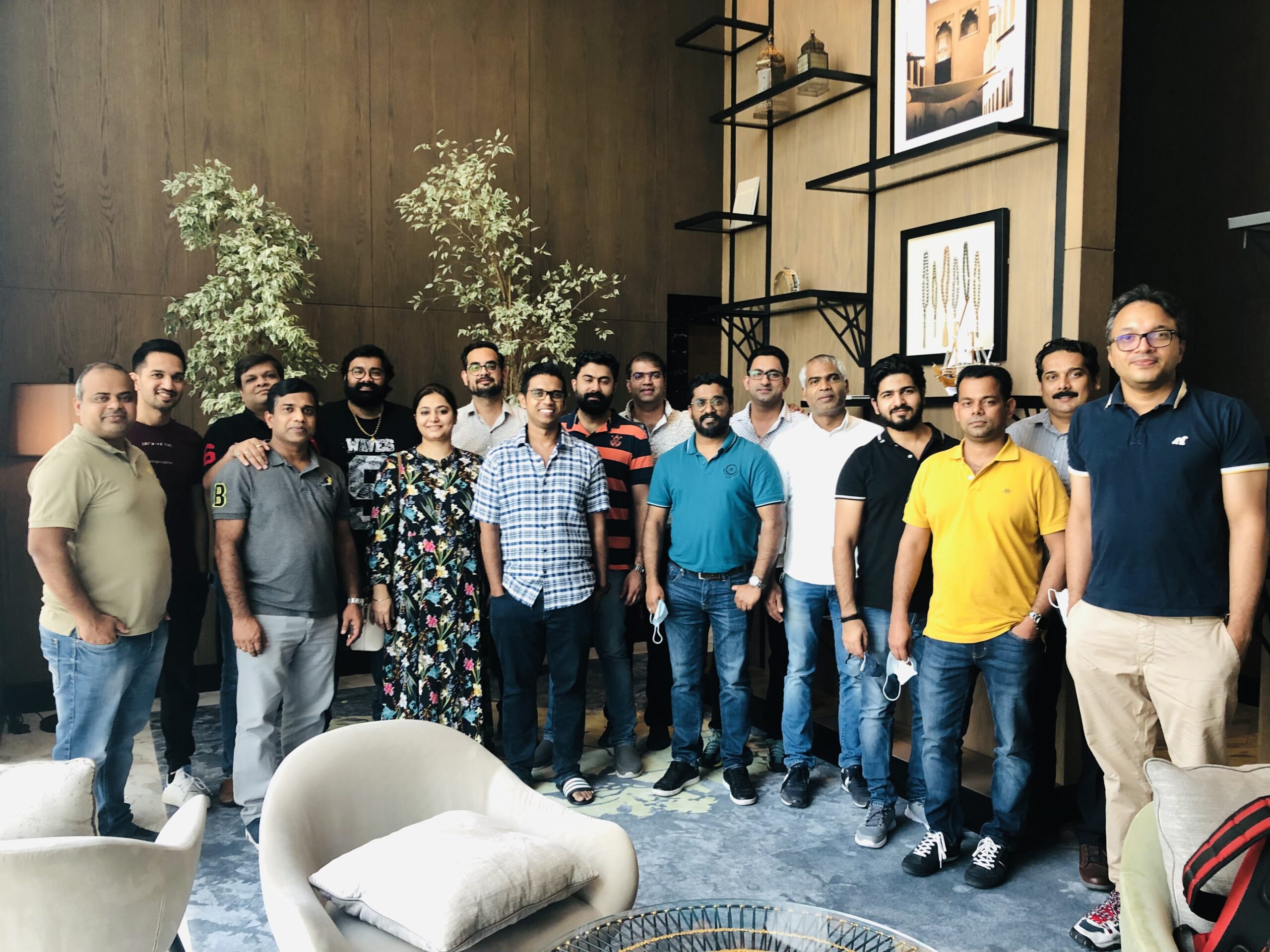
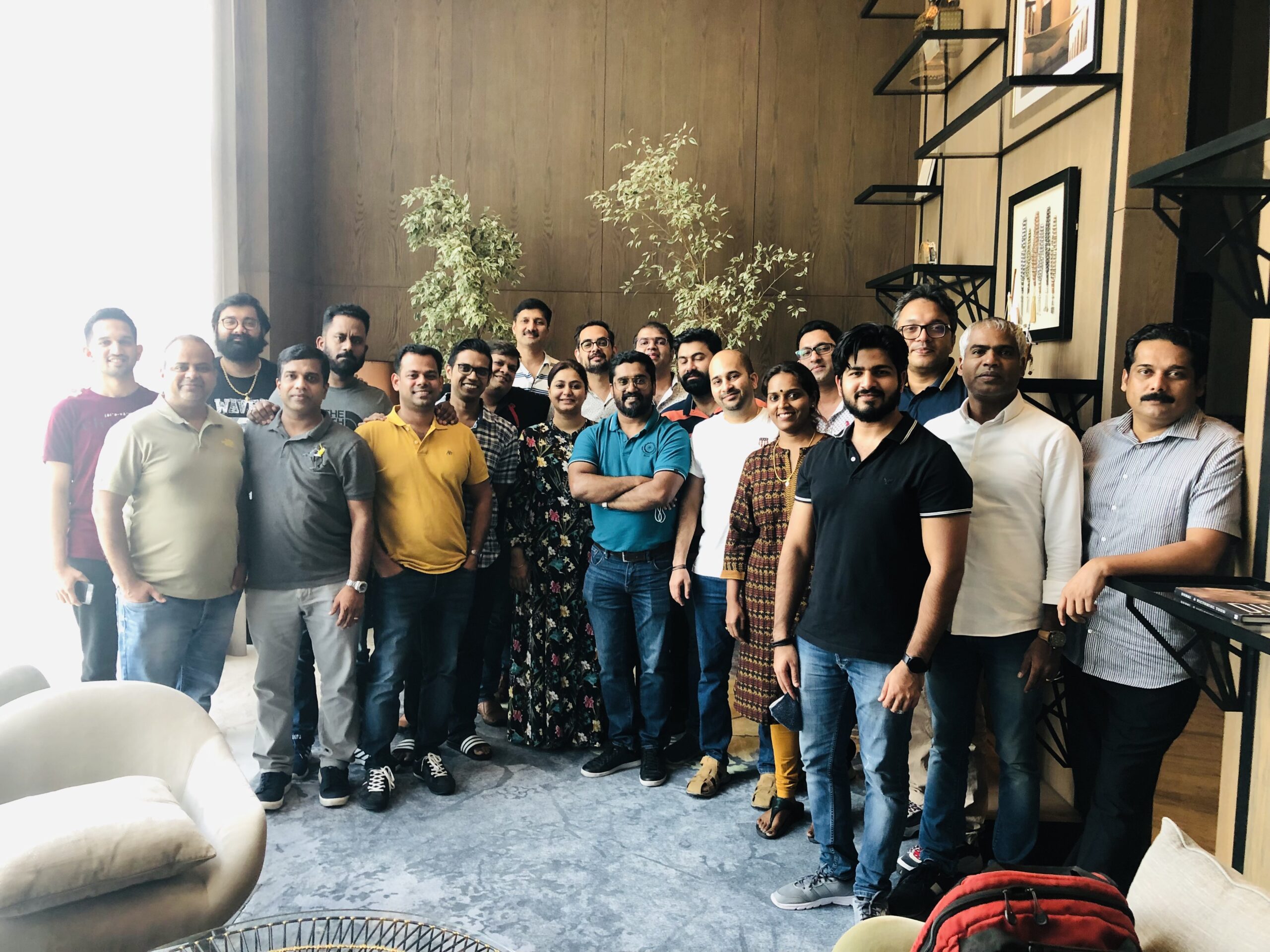
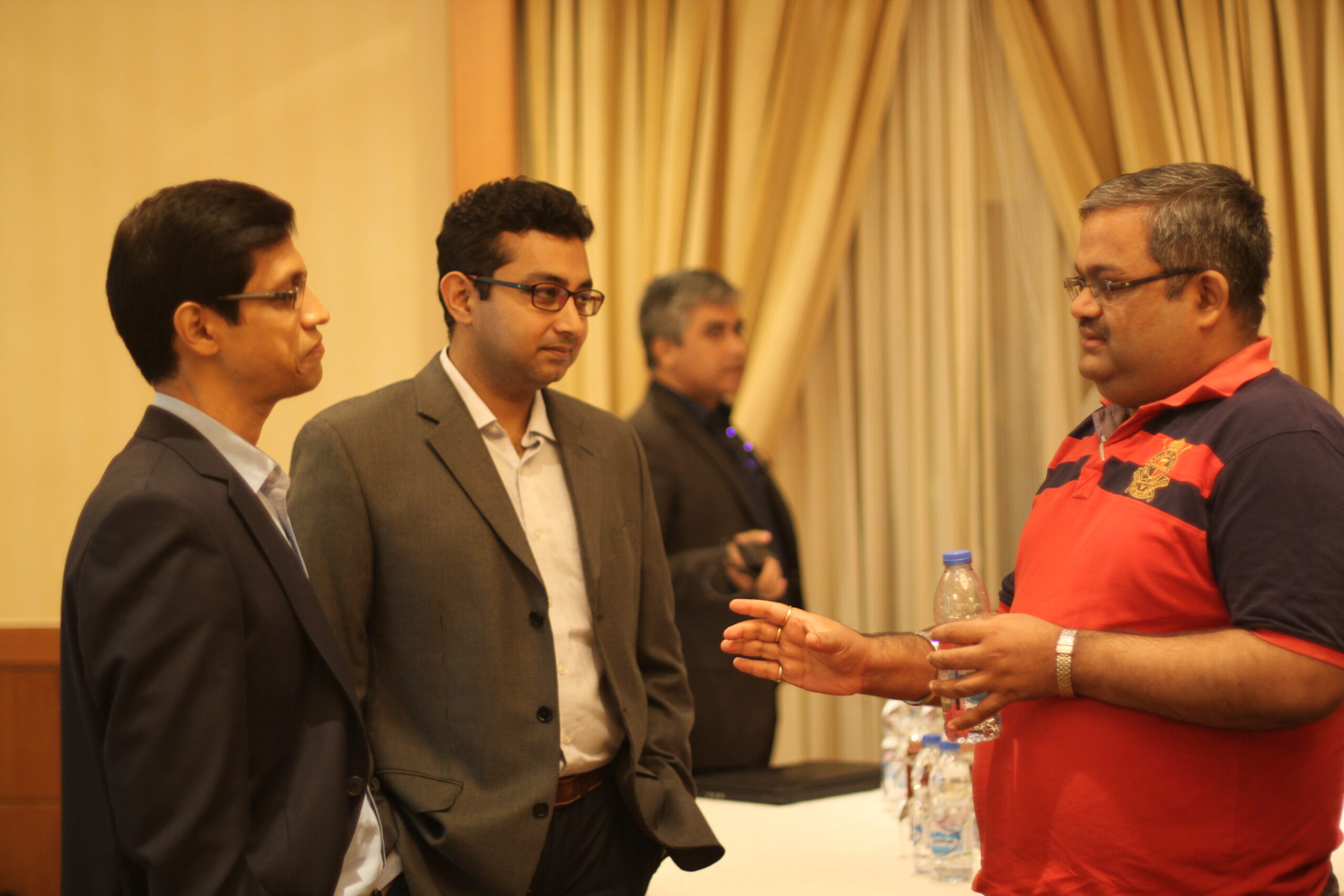
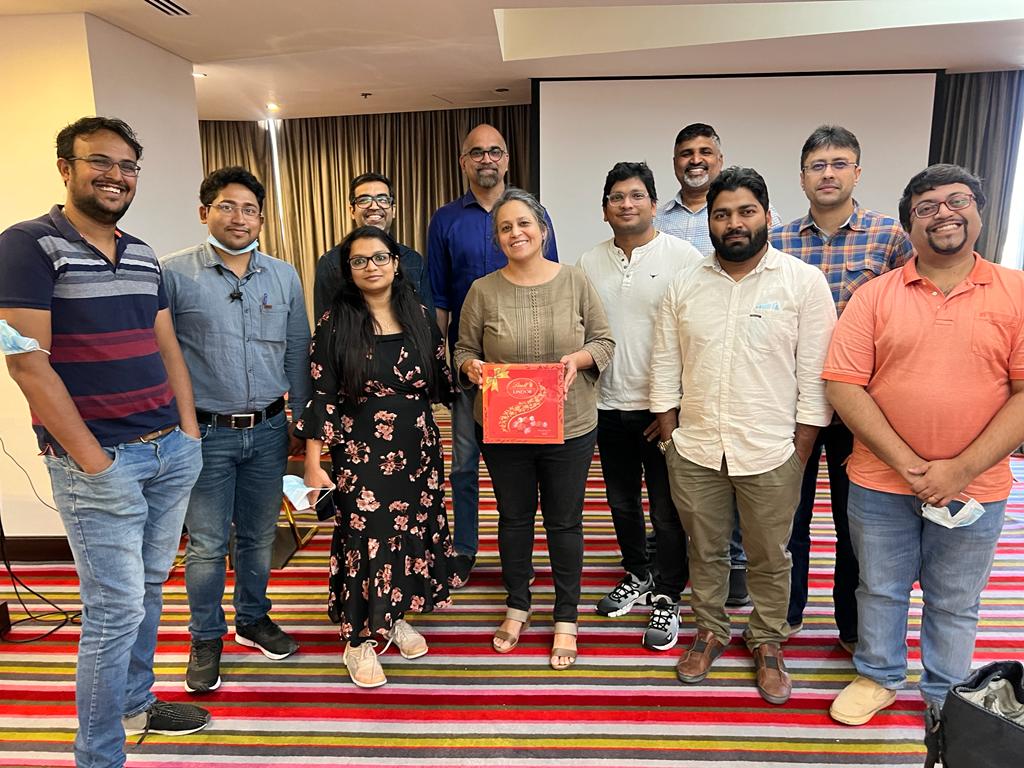
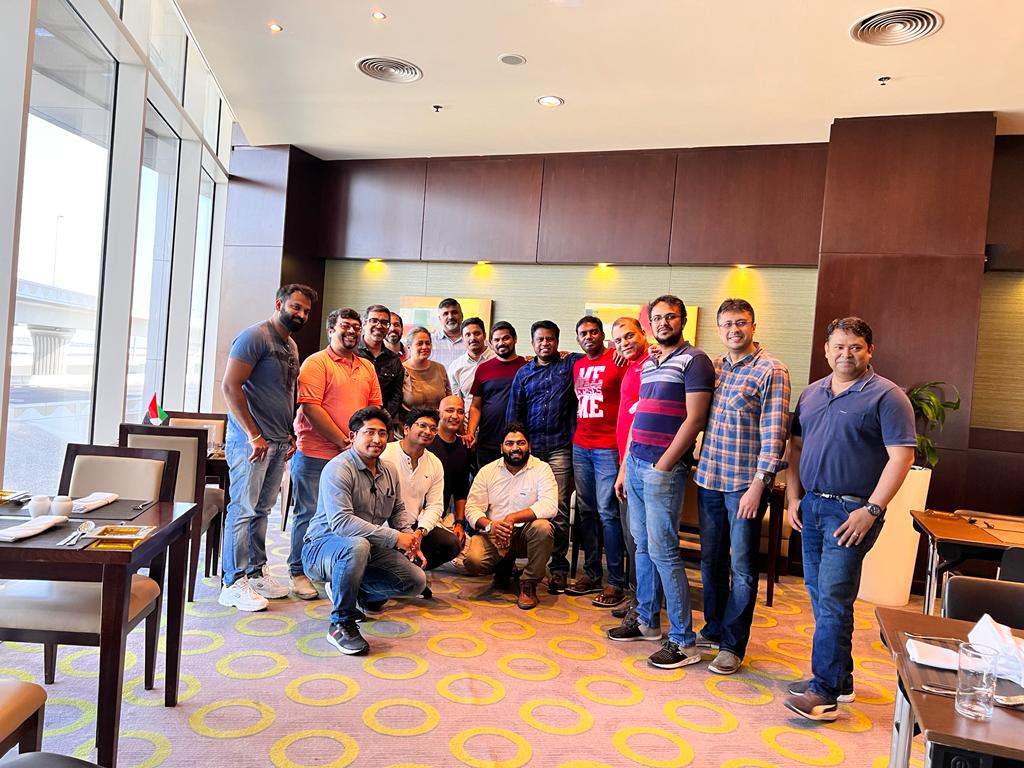
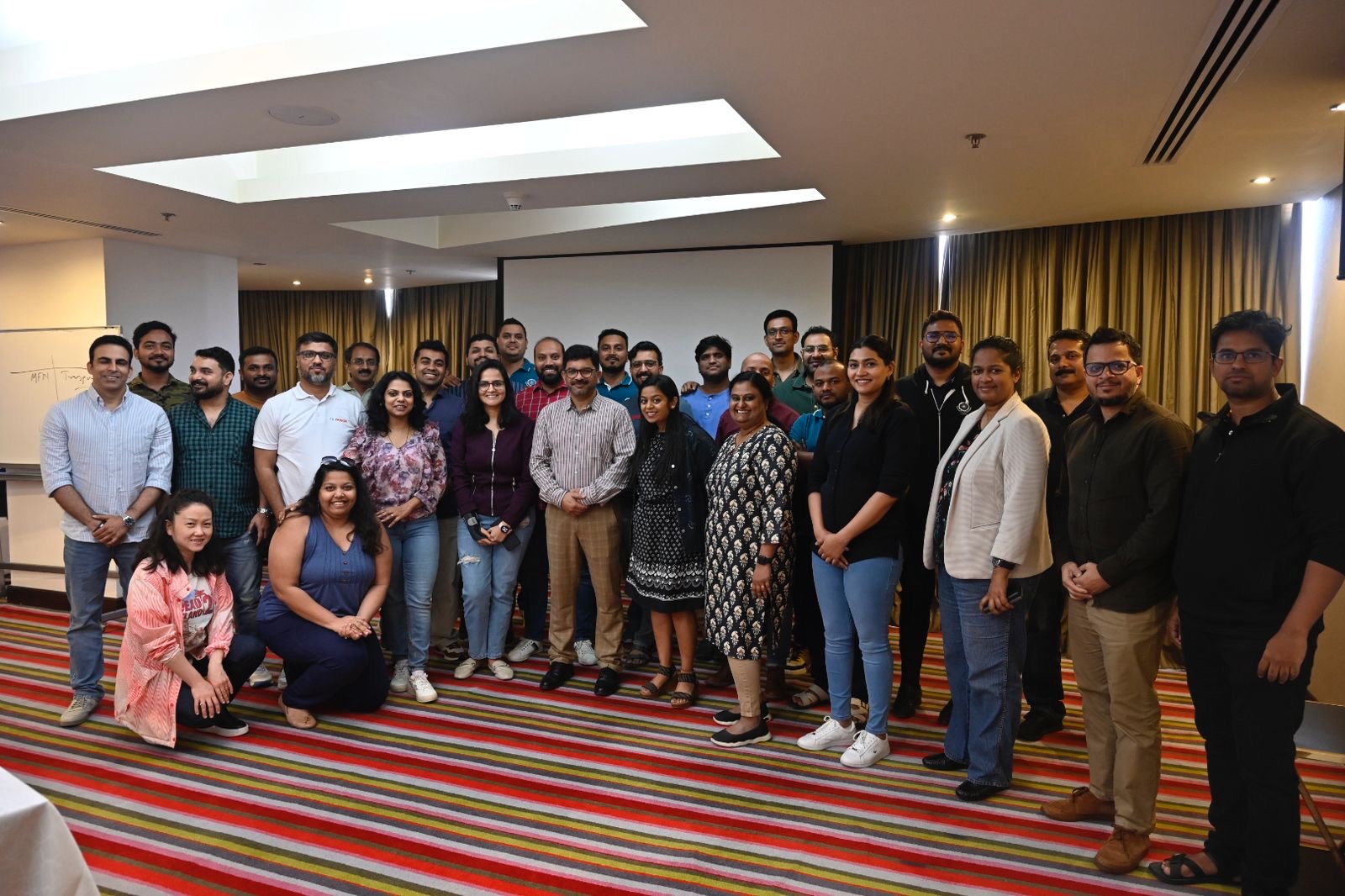
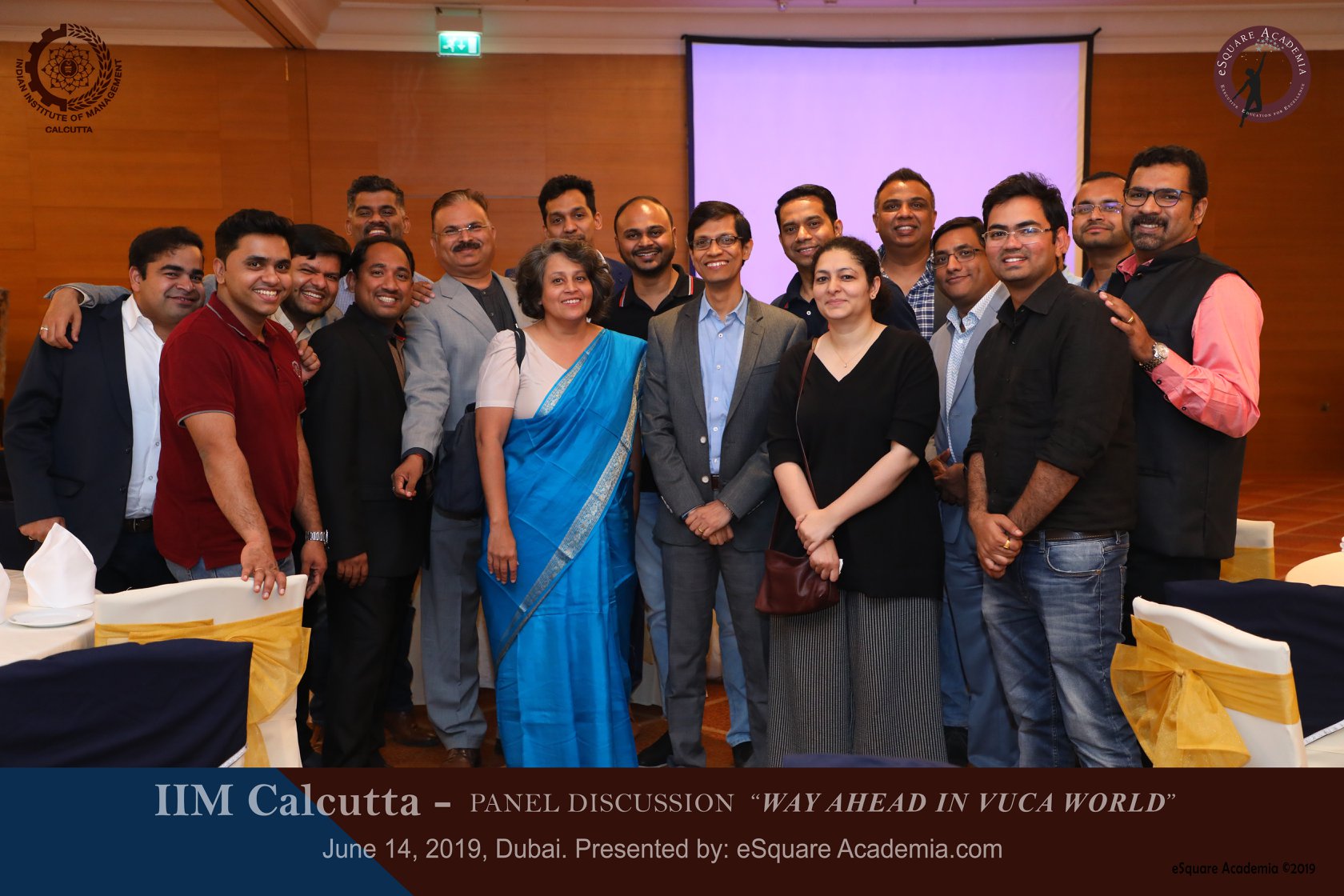
Alumni Events in Dubai

Connect, Engage &
Succeed

Indian Institute of Management Calcutta Campus
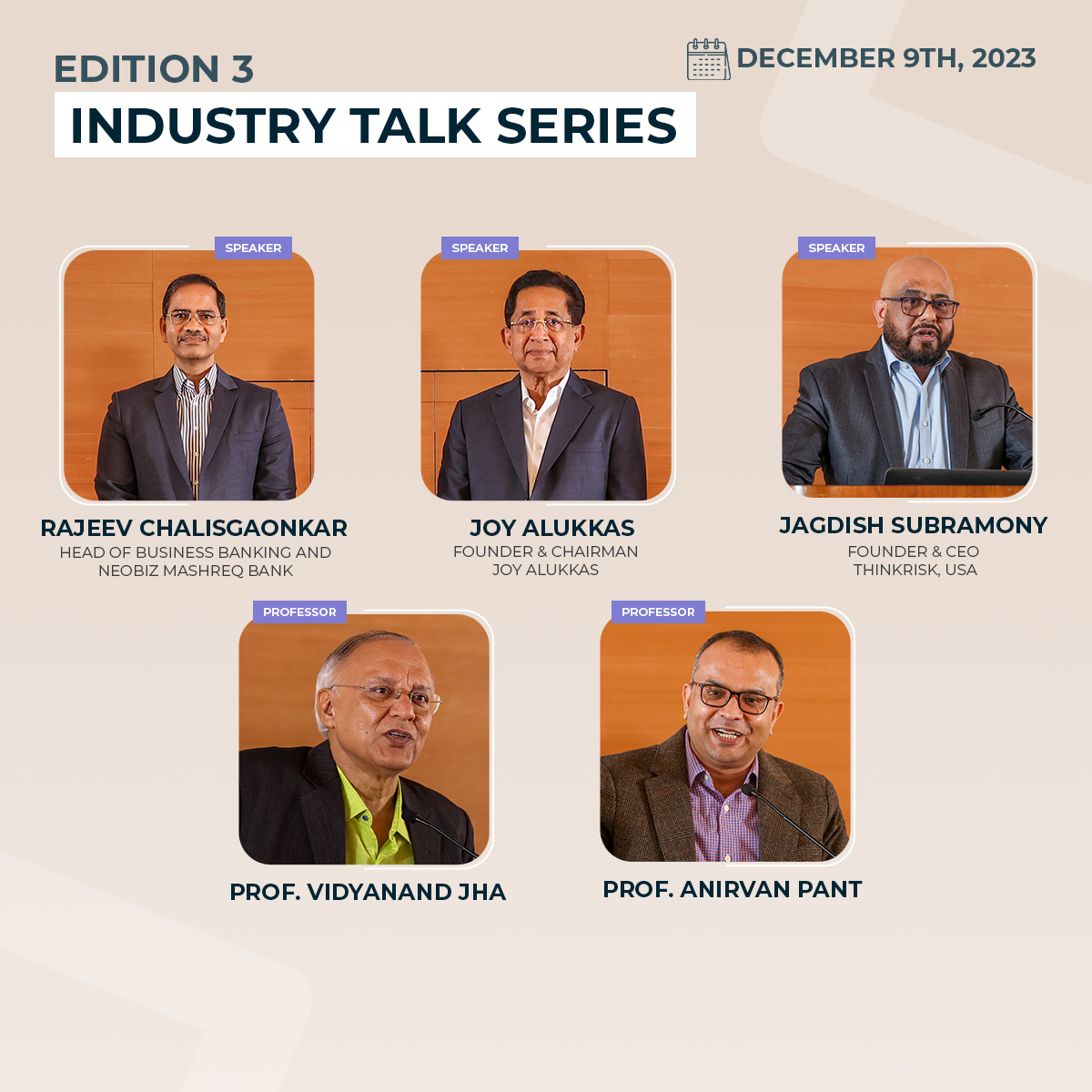
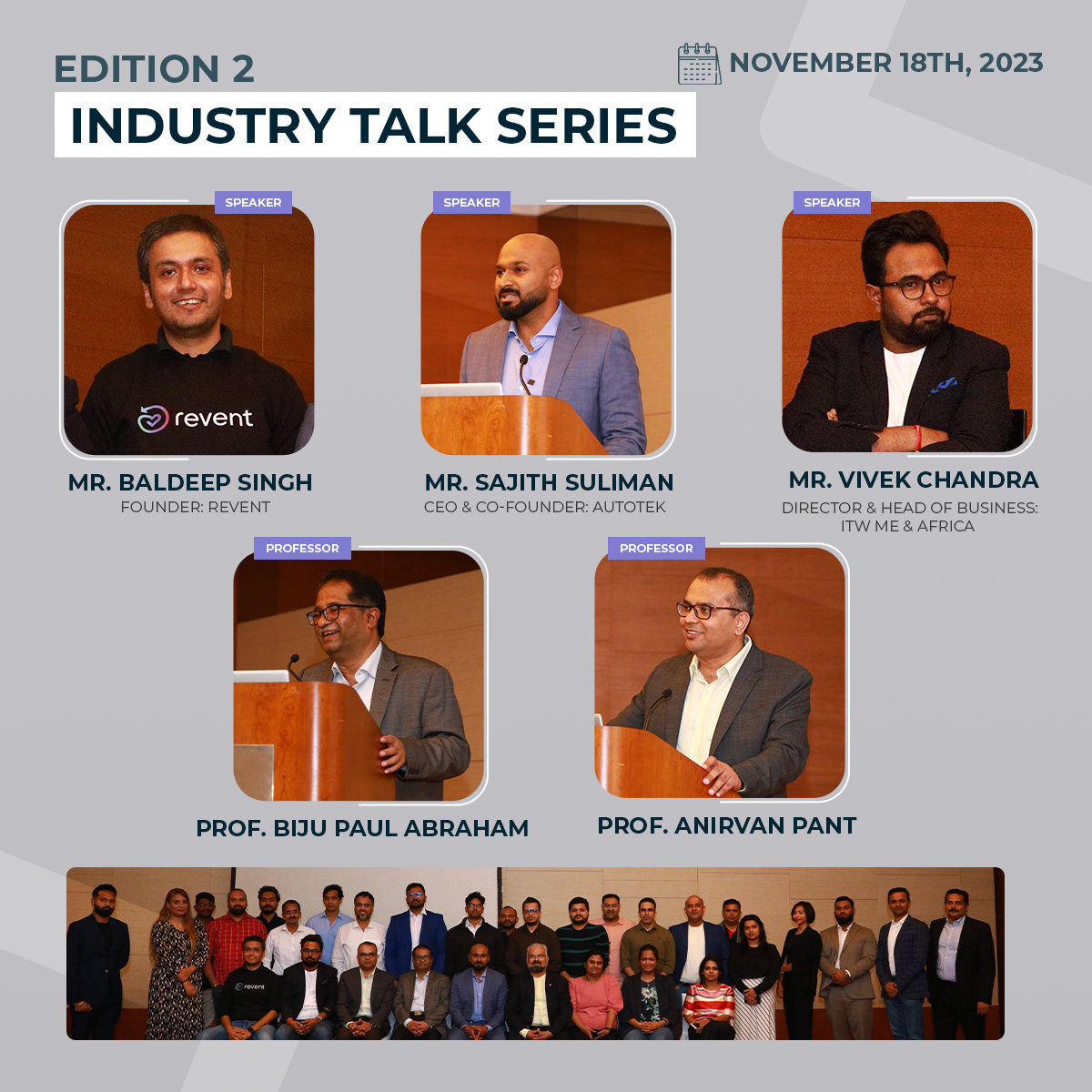
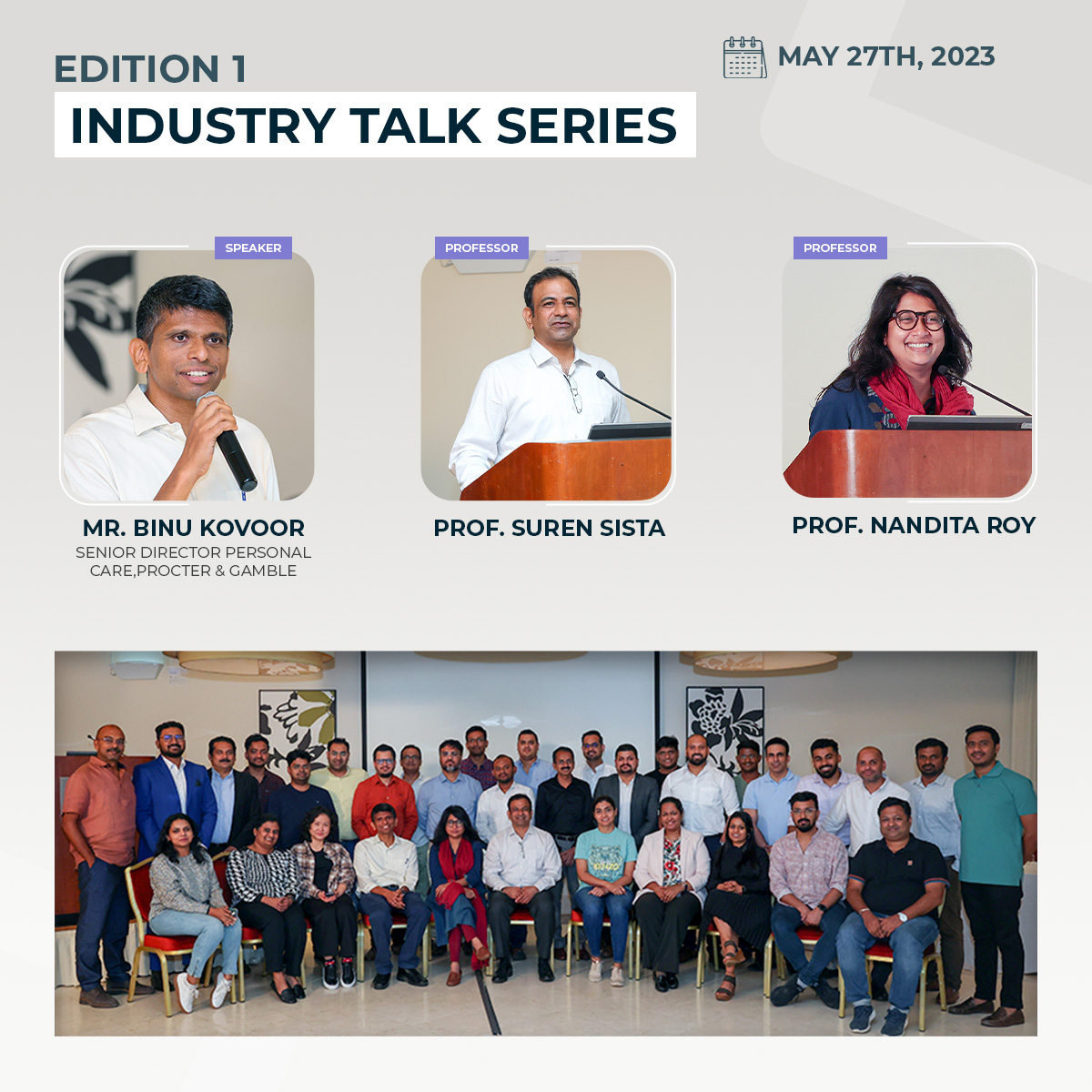
Industry
Talk Series
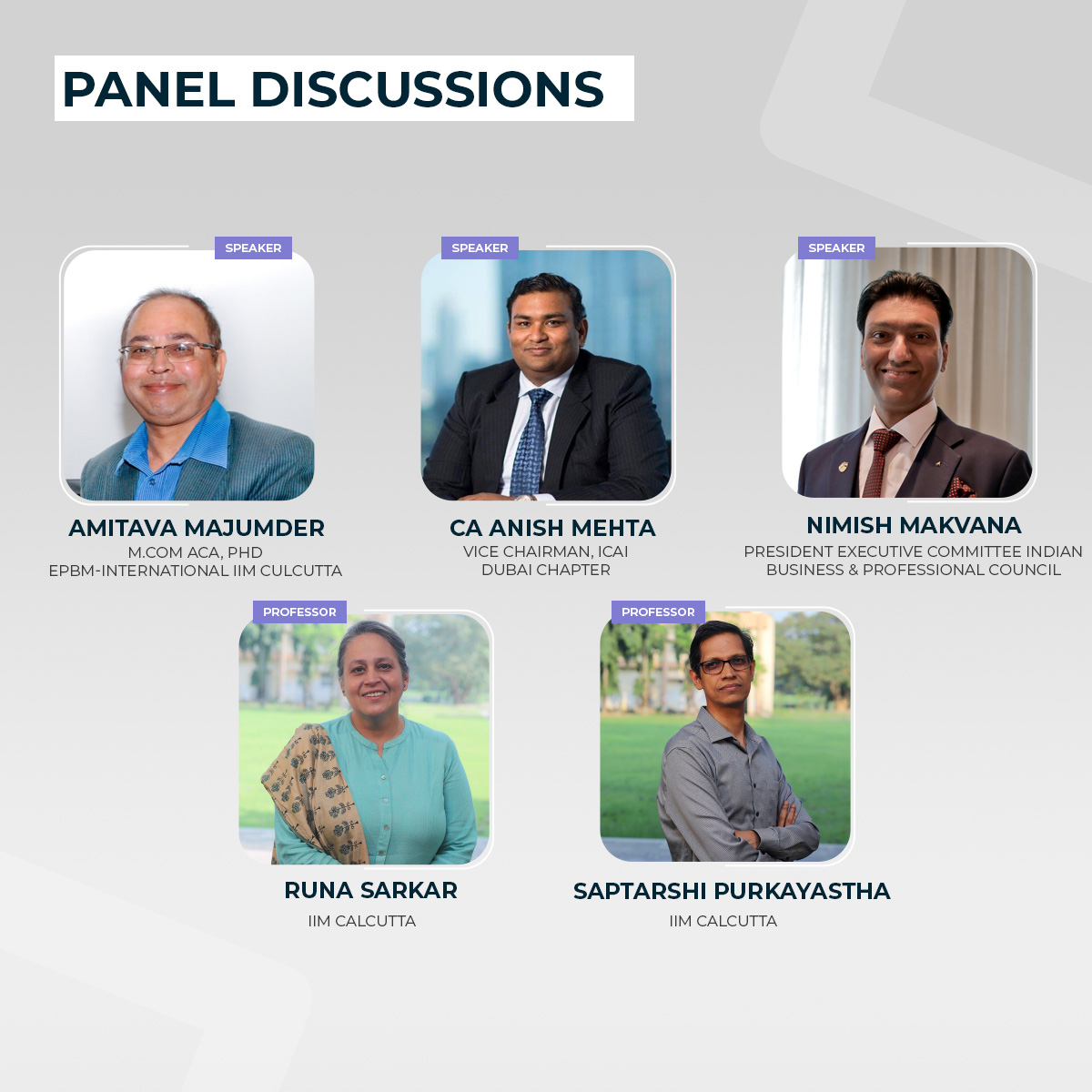
Panel
Discussion
Alumnus
Meet
Management
Worshops
Alumni Events in Dubai

Connect, Engage &
Succeed

Indian Institute of Management Calcutta Campus
Industry
Talk Series
Panel
Discussion
Alumnus
Meet
Management
Worshops
previous arrow
next arrow

IIM Calcutta The pioneering and foremost IIM in the region

Rich Participant Diversity: Benefit from a diverse participant pool encompassing various industries, roles, and functions, fostering enriched learning and collaboration opportunities.

How do you envision your journey to becoming an exemplary leader on the world stage?

Timings

Duration: 8 months
Mode: Face to Face Sessions (Saturday & Sunday)
Time: 9 am to 5 pm

  • Sixteen faculty contact days
  • Six hours of intense classroom interaction per faculty day
  • Eight visits by IIM Calcutta Faculty to Dubai
  • Typically one visit per month during a weekend

IIMC EPAIDSBA
Stands out uniquely

From concept to launch, follow a structured approach ensuring quality, efficiency, and client satisfaction.

  • 01. Foundations
  • 02. Applications
  • 03. Programme Delivery
  • 04. Industry Talk Series
  • 05. Capstone Project

01. Foundations

Addresses all four pillars necessary for a comfortable foundation in data science and business analytics, namely,

(a) Statistical fundamentals

(b) Machine learning, Artificial intelligence, and Deep learning fundamentals

(c) Examples, applications, and case studies of the real corporate world linked to data science and analytics

(d) Hands on experience with assignments and projects on analytics tools for confidence building.

02. Applications

Application areas and case studies for data driven managerial decisions making involving areas such as Customer relationship management, Churn management, New product/services introduction, Fraud management, Revenue management etc. will be addressed depending on the profile and interest of participants.

03. Programme Delivery

Entire academic delivery will be made by experienced Professors of Indian Institute of Management Calcutta, by the two Programme Directors mentioned below in particular.

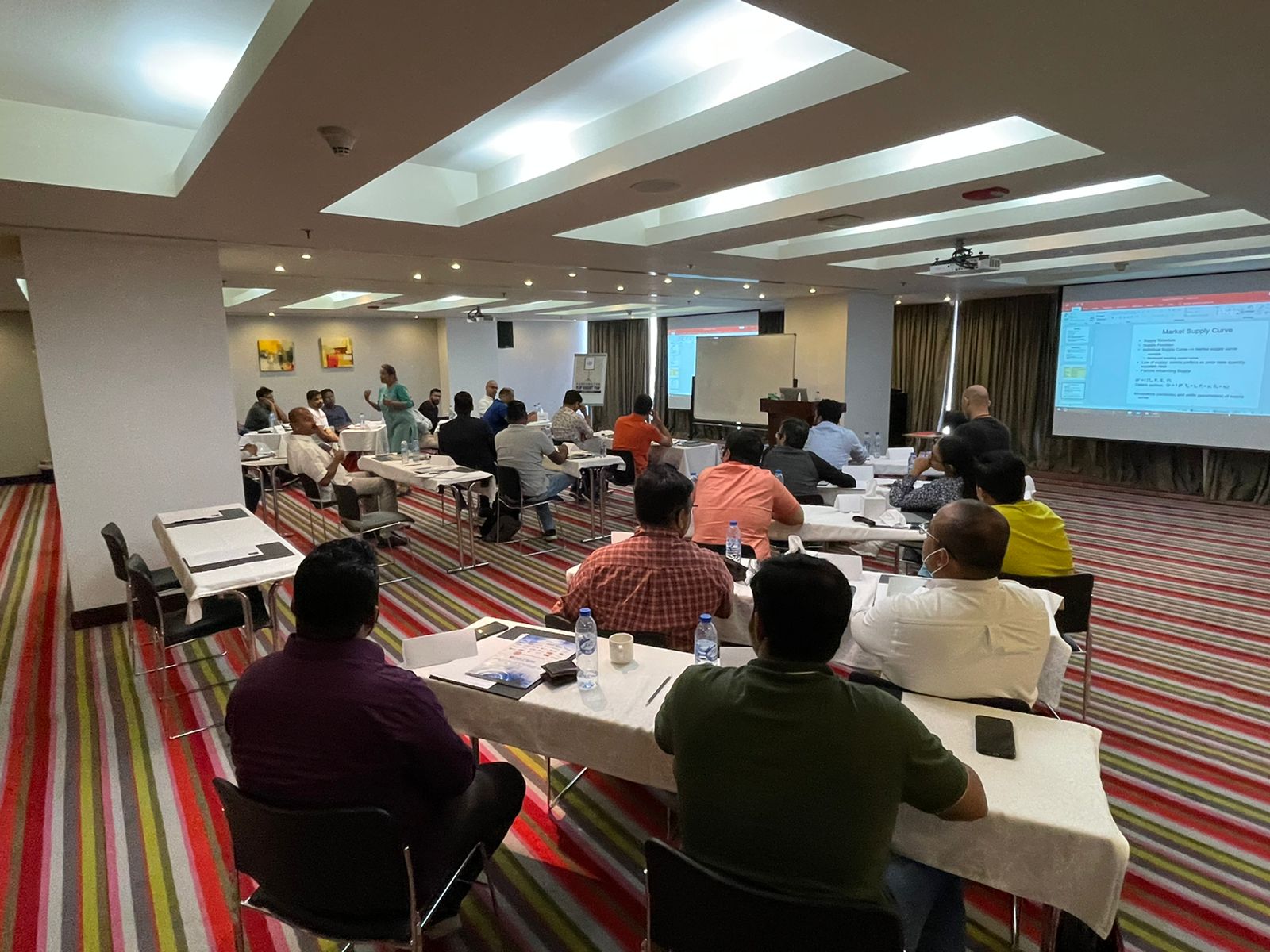
Entire pedagogy will be face-to-face in a classroom ambience

The sixteen-day-programme is spanned over 8 months in 7 modules. This will enable working professionals to learn, study, digest, introspect and continue with learning while meeting their professional and family commitments.

04. Industry Talk Series

Industry Talk Series Gain valuable insights and real-world perspectives through our Industry Talk series, where industry experts share their knowledge and experiences directly with participants. This interactive platform allows you to stay updated on industry trends, challenges, and best practices, enhancing your understanding and preparation for the business world.

05. Capstone Project

Toward the end of the programme, an analytics project will be assigned to each participant on which they may work independently for a couple of months and explore the prospects of their learning from the modules for meeting challenging practical problems in organizations where analytics would be of help. Necessary guidance will be given during face-to-face interactions and also over skype, if necessary.

Examination, evaluation, and certification will be done by the two Programme Directors

Programme Overview

In an era of continuous changes, managers need to equip themselves with new skills and resources needed to manage their enterprises in the midst of a turbulent environment. These skills will help the managers to assume greater responsibilities through career advancement based on knowledge, skills and competence.

Programme Objective

This is designed to provide managers and professionals with a broad overview of the key concepts, tools and techniques needed to successfully meet the challenges of todayโ€™s global business environment. Individual courses will give participants the knowledge needed to work cross-functionally within the organization and become more skilled in the basics of business management.

Programme Introduction

Gone are the days when the business world speculated if Artificial Intelligence(AI) and Machine Learning(ML) could add value to businesses or if those were hyped buzzwords that surfaced only to die their natural death sooner than their proponents wished. Given the penetration of AI and ML with their proven benefits in business processes and practices and their vast potential in tomorrowโ€™s business itโ€™s no longer a question of whether AI or not. The question is when to start reaping its benefits without repenting any delay whose damage could prove too costly later for an organization or for oneโ€™s professional career. Emerging applications have too wide a spectrum โ€“ recommendation systems in online retail, chatbots as digital assistants toward the first point of contact for customers of the kind of effectiveness of Amazonโ€™s Alexa, dynamic pricing for well-informed customers in a competitive scenario, targeted marketing, superior sales forecasting, fraud and cyber threat detection in financial services and transactions, predictive maintenance, effective human resource management, and sentiment analysis etc are few of many promising applications already in place. The core of these superior AI-driven techniques over traditional methods is a data-driven decision support system. This requires an organizational ambience that paves ways for data-driven decision making across the hierarchy through appropriate training and skill upgradation in the fields of AI, ML, and Business Analytics.

Consequently, data-driven decision making is a must in any progressive organization as the risk of losing out in competition is too high otherwise. Myths and promises surrounding Data Science and Business Analytics galore. Success and failure stories of analytics ventures are visible across organizations. Self-styled experts and consultants keep sermonizing about the subject. Without requisite background and experience making sense of it is not easy. Naturally, managers and executives who do not have adequate experience in the subject often get confused if it is a panacea, yet another hype, or something that requires informed attention. The reality is confounding to senior people, especially to those involved in tactical and strategic level decision making who have understandably not been formally trained in this emerging field. The result is the dilemma if they are treating the subject with the consideration it deserves, particularly, if they are overdoing the promises or myths surrounding analytics.

Dealing with data science and business analytics related decisions, irrespective of whether one is operating at an operational, tactical, or strategic level requires a fair understanding of statistical tools and techniques, modern machine learning and artificial intelligence, confidence in handling easy-to-use software tools for analytics, practitionerโ€™s insights in the business domain one operates, and a balanced mix of qualitative and analytical mindset in solving business problems. Management executives who may not possess all these formal backgrounds and associated skills may justifiably feel hesitant in taking analytics related decisions with confidence. This ground reality paves ways for misunderstandings about the subject and leads to unwarranted expectations or missed opportunities in decision making of top management and also uncalled for expectations, confusions, and consequent inappropriate solutions to problems by the workforce at operational levels ostensibly in the name of analytics.

This executive development programme addresses the above concerns of professionals across industry verticals.

Read More

Gone are the days when the business world speculated if Artificial Intelligence(AI) and Machine Learning(ML) could add value to businesses or if those were hyped buzzwords that surfaced only to die their natural death sooner than their proponents wished. Given the penetration of AI and ML with their proven benefits in business processes and practices and their vast potential in tomorrowโ€™s business itโ€™s no longer a question of whether AI or not. The question is when to start reaping its benefits without repenting any delay whose damage could prove too costly later for an organization or for oneโ€™s professional career. Emerging applications have too wide a spectrum โ€“ recommendation systems in online retail, chatbots as digital assistants toward the first point of contact for customers of the kind of effectiveness of Amazonโ€™s Alexa, dynamic pricing for well-informed customers in a competitive scenario, targeted marketing, superior sales forecasting, fraud and cyber threat detection in financial services and transactions, predictive maintenance, effective human resource management, and sentiment analysis etc are few of many promising applications already in place. The core of these superior AI-driven techniques over traditional methods is a data-driven decision support system. This requires an organizational ambience that paves ways for data-driven decision making across the hierarchy through appropriate training and skill upgradation in the fields of AI, ML, and Business Analytics.

Consequently, data-driven decision making is a must in any progressive organization as the risk of losing out in competition is too high otherwise. Myths and promises surrounding D ata Science and Business Analytics galore. Success and failure stories of analytics ventures are visible across organizations. Self-styled experts and consultants keep sermonizing about the subject. Without requisite background and experience making sense of it is not easy. Naturally, managers and executives who do not have adequate experience in the subject often get confused if it is a panacea, yet another hype, or something that requires informed attention. The reality is confounding to senior people, especially to those involved in tactical and strategic level decision making who have understandably not been formally trained in this emerging field. The result is the dilemma if they are treating the subject with the consideration it deserves, particularly, if they are overdoing the promises or myths surrounding analytics.

Dealing with data science and business analytics related decisions, irrespective of whether one is operating at an operational, tactical, or strategic level requires a fair understanding of statistical tools and techniques, modern machine mearning and artificial intelligence, confidence in handling easy-to-use software tools for analytics, practitionerโ€™s insights in the business domain one operates, and a balanced mix of qualitative and analytical mindset in solving business problems. Management executives who may not possess all these formal backgrounds and associated skills may justifiedly feel hesitant in taking analytics related decisions with confidence. This ground reality paves ways for misunderstandings about the subject and leads to unwarranted expectations or missed opportunities in decision making of top management and also uncalled for expectations, confusions, and consequent inappropriate solutions to problems by the workforce at operational levels ostensibly in the name of analytics.

This executive development programme addresses the above concerns of professionals across industry verticals.

Programme Directors and Faculty

Prof. Uttam Kumar Sarkar

Management Information Systems Group IIM Calcutta

Dr. Uttam Kumar Sarkar, Professor, is with the Management Information Systems Group of the Institute since 1997. He had earlier worked in multinational design automation firm, as a faculty at I.I.T. Delhi, and as a faculty at the University of Miami, Florida, USA. He is a B.Tech, M.Tech, and Ph.D in Computer Science and Engineering from I.I.T. Kharagpur. His current teaching and research interests include Business Data Mining, Data Science, Artificial Intelligence and Deep Learning, and Social Networking Analysis. He has published his research in leading international journals and conference proceedings. He can be reached by email at uttam@iimcal.ac.in.

Prof. Saibal Chattopadhyay

Operations Management Group IIM Calcutta

Dr. Saibal Chattopadhyay, Professor, is a Statistician and is with the Operations Management Group of the institute since 1997. He had earlier been a faculty at the Presidency College Calcutta, University of Connecticut, Stamford, USA, and at University of Nebraska, Lincoln, U.S.A. He is an M.Sc. in Statistics from the Calcutta University, and M.S. & Ph.D in Statistics from the University of Connecticut, Storrs, U.S.A. His current teaching and research areas include Statistical Methods in Business, Data science and analaytics in statistical learning, Sequential Estimation, Finite Population Sampling, and Environmental Monitoring. He has published his research in leading international journals and conference proceedings. He can be reached by email at chattopa@iimcal.ac.in.

Faculty Videos

Visit Schedule and Academic Contents

(2 Days Per Visit) - 2025

Day
Module

Visit 1 (2 days)

360 degrees of data science and business analytics for executives โ€“ myths, promises, and reality
These address potentials and limitations of Statistical methods, Data science, Business analytics, and Artificial intelligence in business context.
Takeaway: Learnings from AI and Machine Learning success stories, Learnings from AI and Machine Learning failure stories, How corporate professionals and managers without prior education and AI, Data Science, and Business Analytics may flourish in tomorrowโ€™s AIencompassed business environment.
Statistics in analytics: Descriptive measures, probability and sampling distributions
These are foundational tools in business for decision-making, risk assessment, and data analysis.
Takeaway: Banks use probability to calculate the risk of credit default, informing lending decisions. Sampling estimates population parameters (e.g., customer satisfaction) from sample data, enabling confident decision-making with limited information. For example, a retailer samples customer feedback to predict overall satisfaction, guiding service improvements.

Visit 2 (2 days)

Supervised learning applications and Artificial Intelligence
Supervised learning deals with AI techniques where data, decisions and associated outcomes of the past are known and extracts from data patterns help one take intelligent data-driven decisions.
Takeaway: How historical data and prior managerial expertise and their success/failure stories can help in making intelligent decision making by using AI techniques applicable to all functional areas of management. Intelligent lead generation (in Marketing), Intelligent hiring (in HR), Intelligent detection of fraudulent transactions (in Operations), Customer churn prediction (in Planning) are few of the myriads of business problems where supervised learning methods of AI can improve the quality of managerial decisions.

Hypothesis testing, statistical inference, chi-square tests, nonparametric methods.
Hypothesis testing and non-parametric inference are powerful statistical tools used in business to make data-driven decisions, validate assumptions, and analyze data that may not meet standard parametric assumptions.
Takeaway: Evaluates whether observed data supports a specific claim or hypothesis, typically using a null and alternative hypothesis to make decisions based on statistical significance. For example, in Market Research and Consumer Insights (testing whether a new marketing campaign, product feature or pricing strategy significantly impacts the consumer behaviour) or in Financial Performance Analysis (an investment firm tests if a new trading algorithm outperforms the market average), etc.

Visit 3 (2 days)

Intelligent decision making using man-machine combination: Supervised learning using Bayesian methods
These AI techniques pave ways where human expertise can be integrated with data patterns in order to make intelligent decisions.
Takeaway: Purely data driven decision making by machines may fail to utilize expertise of insights of the incumbent managers. On the other hand, gut feeling based decisions by managers may fail to exploit the insights from detailed analysis of available data. Here itโ€™s explored how one can exploits the best of both worlds, that is, integrate data extracts with managerial expertise toward intelligent decision making. Estimating the market share and its variation with time where the total market size cannot be accurately known, identification of the likely repeat customers in the retail business are typical business problems that can be answered by such methods.
Dealing with decisions under uncertainty, Multiple linear regressions; Analysis of Variance (ANOVA)
These are widely used statistical techniques in business for modelling relationships, predicting outcomes, and comparing group differences.
Takeaway: In regression, to model customer purchasing behavior based on variables like age, income, or website engagement. For example, an e-commerce platform uses logistic regression to predict the likelihood of a customer making a purchase based on browsing history and demographics. In ANOVA, to compare the performance of multiple marketing campaigns or channels to identify the most effective. For example, a retailer uses one-way ANOVA to compare sales generated by email, social media, and TV campaigns.

Visit 4 (2 days)

Artificial neural networks and deep learning in business applications
These state of the art AI techniques address the complexities of our nervous system and mimic the functioning of artificial super smart human brain on ocean of data toward intelligent decision making.
Takeaway: Latest in the AI literature dwells in Artificial neural networks and deep learning techniques form the backbone of large language models and generative AI (such as ChatGPT). How these methods recognize signature or human face, build a recommendation system, do customer sentiment analysis, or even artificially generate documents or pictures based on human prompts is not just a mystery but itโ€™s having a huge impact on society including the business world because the reach, limitations, and concerns surrounding the technology is vital. These are explained in laymanโ€™s language.
Demand forecasting and time series analysis
Takeaway: Predict future sales based on factors like advertising spend, seasonality, or economic indicators. For example, a retailer uses time series data to forecast monthly sales based on marketing budget, store traffic, and promotions.

Visit 5 (2 days)

AI for decision making toward innovative products and services: Unsupervised learning in action
These AI techniques deal with situations where past data may not be relevant, may not be available, or may not be affordable and yet the benefits of intelligent data-driven decisions are to be retained.
Takeaways: Supervised learning methods deal with decision making in the context of products of services which have been there in the market for a while, that is, date are available on past decisions and their consequences. But, there is another set of problems which arise in the context of novel and innovative products or services which did not exist before, that is, past data are not available. Decision making in such a situation is even trickier but unsupervised learning methods of AI and machine learning can help make intelligent decisions. For example, how to segment the market in search of promising customers for a new product which is yet to be launched would belong to this category of challenges.
Data imputation, Outlier detection, Non-parametric methods, Data summarization, data presentation, and data visualization, Quality analytics, Sig sigma
Takeaway: Test for differences in quality metrics when production data is skewed or contains outliers. For example, a manufacturer uses the Wilcoxon signed-rank test to compare defect rates before and after a process change when data is non-normal

Visit 6 (2 days)

Social Network Analytics
As people interact more and more directly and indirectly the world population of professionals is increasingly heading toward a giant network of individuals where decision of others matter to an individual. This shows up in buy/sell decisions in stock market based on perceptions from media, in purchase decisions of objects be it a mobile handset or a car based on customer reviews though unknown whether those are genuine or fake, in sudden elevation of one in an organization toward leadership role or someone becoming a loner going deep in depression, onset of sudden violence in the society and so forth. Examples are too many that matter to the business world as well.
Takeaway: This module explores this added complexity of the modern world of social media, AI, and Gen AI and the implications those have on human decision making.ย  ย  ย  ย  ย  ย  ย  ย  ย  ย  ย  ย  ย  ย  ย  ย  ย  ย  ย  ย  ย  ย  ย  ย  ย  ย  ย  ย  ย  ย  ย  ย  ย  ย  ย  ย  ย  ย  ย  ย  ย  ย  ย  ย  ย  ย  ย  ย  ย  ย  ย  ย  ย  ย  ย  ย  ย  ย  ย  ย  ย  ย  ย  ย  ย  ย  ย  ย  ย  ย Dimensionality Reduction: Principal component analysis, Factor analysis
These are statistical techniques used in business to simplify complex data, uncover patterns, and reduce dimensionality while retaining key information. Examples include Customer Segmentation (to reduce multiple customer attributes, e.g., purchase history, demographics, browsing behavior, etc. into key components to identify distinct customer segments), Financial Portfolio Optimization (to reduce correlated financial metrics, e.g., stock returns, volatility, etc. into principal components to identify key drivers of portfolio performance.

Visit 7 (2 days)

Large Language Models (LLM) and Generative AI in business.
These techniques deal with the latest developments in the AI world and their implications to the business environment.
Takeaway: Generative AI using Generative Pre-trained Transformer (GPT) technology, ChatGPT being one such example, is taking the world by a big revolution. How tomorrowโ€™s workplace, job profiles, and human activities are going to be is a matter of curiosity and concern. The role of GenAI in todayโ€™s and tomorrowโ€™s business world would be explored.

Visit 8 (2 days)

Learning from Project: Presentations by participants and discussions
Participatory learning with the participants are done to complete the loop in the context of their experience with the project work.ย  Takeaway: Value of data science and business analytics is best appreciated when one can apply some of these concepts in making a difference to her everyday decision making acumen. Group projects are assigned in the domain of work of the participants where analytics and AI ay make a difference. Participants work on the project for months applying relevant techniques covered in this programme suggesting more intelligent solutions to their own problems they have been solving otherwise.
Concluding thoughts on Career realism
Individual participants are informed about how they may leverage their learning in the professional world

Programme Content

  • Economic Environment and International Trade
  • Marketing: Concepts and Strategy
  • Global Operational Excellence
  • Leadership, People Management and HR Strategy
  • Global Policy and Regulatory Framework
  • Corporate Finance
  • Strategic Management
  • Managerial Communication
  • Industry 4.0, Technology and Digital Strategy
  • Management Games
Objective and Key Takeaways from the Course:
  • Mankiwโ€™s 10 Principles
  • Supply and Demand
  • Fixed Costs and Variable Costs
  • Profit Maximization under Competitive Market Conditions
  • Markets
  • Macroeconomics
  • GDP & Inflation
  • Use of Fiscal and Monetary Policy for managing growth and inflation
  • International Economics and Exchange Rates
  • International Trade
Objective and Key Takeaways from the Course:

The objective of this course is to introduce Marketing and Marketing Strategy, relevant concepts, theories, and applications. At the end of the course, participants are expected to be able to answer the following questions:

  • What is the nature and scope of marketing?
  • Who is a customer? What are the intricacies of buying behavior in both consumer and business markets?
  • How does one segment the market and target appropriate segments profitably?
  • How does one create and deliver value to customers? How does one communicate oneโ€™s value proposition to customers?
  • What are the elements of the marketing mix? How are they interlinked to offer best value to customers?
  • How does one plan, create, and execute successful marketing programs? What are the issues involved in doing this?
Objective and Key Takeaways from the Course:
  • The course aims to introduce participants to the select tools and techniques for data-driven decision making and the fundamentals of Operations and Supply Chain Management and Project Management.
  • In particular, the course exposes the participants to different decision-making environments with a focus on decision-making under risk, application of business statistics and business analytics in decision making, doโ€™s and donโ€™ts for effective project planning and monitoring, and basics of operations and supply chain management.
Objective and Key Takeaways from the Course:
  • Performance Management
  • Performance Evaluation & different concepts
  • Prospect Theory & Compensation
  • Gamification
Objective and Key Takeaways from the Course:
  • Business in an era of heightened geopolitical instability
  • Introduction to Company Law
  • Digital Data Protection
  • Patents
  • Intellectual Property
  • Mergers & Acquisitions concepts
  • International Agreements (CEPA)
  • Trade Policies
Objective and Key Takeaways from the Course:
  • After attending this module, participants shall be able to understand and use financial statements to analyse the financial health and value of a business
  • Further, it should develop adequate understanding about the financial markets and financial securities, cost of capital and capital structure choices of a company and its capital budgeting decisions
  • Analysis of Financial Statements: Ratio analysis, Horizontal vs Vertical analysis
Objective and Key Takeaways from the Course:
  • Strategic Thinking: A Primer
  • Competitive Advantage: Industry Structure and Organizational Capabilities
  • Global Strategy: Location and Competitive Advantage
  • Insight & Judgment: From Strategic Choice to Strategic Leadership
Objective and Key Takeaways from the Course:
  • Storytelling
  • Persuasiveness of Public Narratives
  • Communication Strategy (Credibility Technique/Economic Virtue (EV))
Objective and Key Takeaways from the Course:
  • Recent advances in IT and digital technologies have questioned the monopoly of the IT function in organizations in identifying and designing digital applications.
  • The knowledge of digital technologies and their application in the enterprise is no longer confined to technology folks. The digital deluge has made it impossible for business managers aspiring to be successful to escape from knowing and understand the possibilities that technology brings with it and anticipate its impact on business.
  • In effect, managers must think differently about digital - focus not only on process automation and transaction efficiencies but also on creating smart more personalized products; efficient, adaptive, and agile processes and creating value through enhanced stakeholder interactions. They effectively need to find unique ways to combine the digital with the physical.
  • Understand the potential of emerging technology environments such as industry 4.0 and their implications for achieving enhanced quality in creating and delivering products and services; adapting to rising customer demands and ensuring operational efficiencies
  • Choose and apply technology-enabled analytics and machine learning methods to some real-life problems
  • Fathom the scope and potential of digital transformation, nuances of digital strategy while becoming cognizant of the digital capabilities that firms should aim to build.
Objective and Key Takeaways from the Course:
  • Leadership
  • Managing Self
  • FIRO-B
  • Managerial Styles
  • Art of Persuasion
  • Creative Problem Solving
  • Organization Structures

Alumnus Talks

Capt. Rayjo Paul Head of Performance Desk, Oldendorff Carriers.

A master mariner by profession. Oldendorff Carriers, which is one of the leading Dry bulk shipping company in the world. My primary role now is to optimize the voyages or in other words, minimize fuel consumption or reduce carbon foot print using big data & AI.

The faculty at IIM Calcutta was truly inspiring, their level of dedication, cutting edge knowledge & their way of thinking. Even today, we have the liberty to approach them with any problems or issues that we face, and they somehow find time for you Peer group interaction was another positive aspect. Ours was a diverse group that brought to the table, wide range of issues that various industries face & how they are dealt with. Was it challenging? Yes, it was. This is IIM after all. We used to have late night combined study sessions โ€“ analysing case studies, solving problems, project work, exam preparations. Looking back โ€“ it was fun & I miss those sessionsโ€ฆ In my case, did two programme Data Science & Business Management, itโ€™s the combined value of the both the programs that has helped me take up my present role. Just to put numbers in perspective, the project that I am currently working on has the potential to save about 40 million dollars annually & at the same time reduce CO2 emissions by about half a million tons annually. Overall, it was good learning experience for me & I strongly believe that this program would give you the necessary ammunition to take on bigger challenges.

Solaimalai Srinivasan Sr. Analyst, Emirates Aluminium.

A Holistic Data Science Program from world class professors and diversified peers Executive Program on Data Science and Business Analytics from IIM Calcutta provided excellent opportunity to learn about all 3 tenet of Data Science - Statistics, Computational Methods and Domain Expertise

While the esteemed professors Prof. Saibal Chattopadhyay and Dr. Uttam Sarkar covered the first 2 topics, they gave ample opportunities to the students to apply their domain knowledge. The program was paced neatly to meet the requirements of well-experienced working professionals with a nice mix of students from varied domains. The program gave excellent opportunity to network with seasoned professionals from across industries. Since it provided a good foundation on the basics of data science, I was able to apply my software programming knowledge in my field of Manufacturing in terms of Data Engineering and Modeling. The program was an eye opener in many respects of data science that it helps me navigate in my data-to-day operational challenges.

Sameer Chougule Vice President - Operations and Technology - MENA region, Marsh

I am a business transformation professional with a background in Six Sigma/Stats. When I wanted to join a course there were few questions in my mind a) How and data science and analytics course will help me bridge the gap between Six Sigma and Analytics b) How will it help in making a difference to the current organization and c) How will it help me in my current and future role.

After speaking with various institutions and course organizers, I found this course to be balanced between, Stats and Data Analytics / Engineering and theory & practice. During the course, my ability to distinguish what will work and not given the practical limitations of each method/tool kept on increasing exponentially throughout the course. The credit goes to the IIM professors and the way they taught the concepts coupled with great course content. Even the assignments are paced out correctly with a final project which even pushes you further to explore than what is taught in the curriculum, of course with constant support and touchpoints with the professors. This helped immensely in my current work where I am able to distinguish what techniques will work in different situations and environment.
I would recommend the course to anyone who is interested in the field and to build a very sound foundation and career in this industry

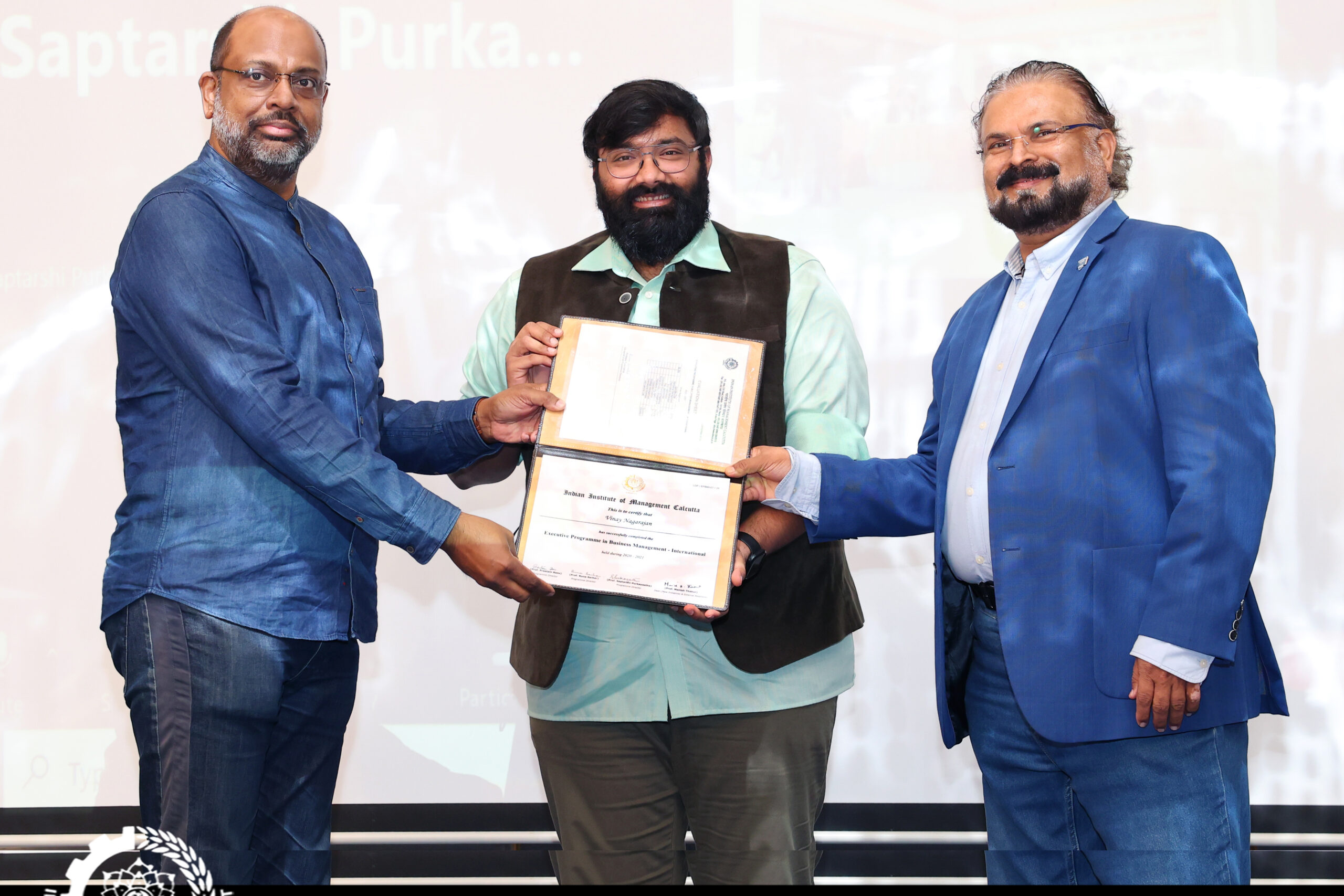
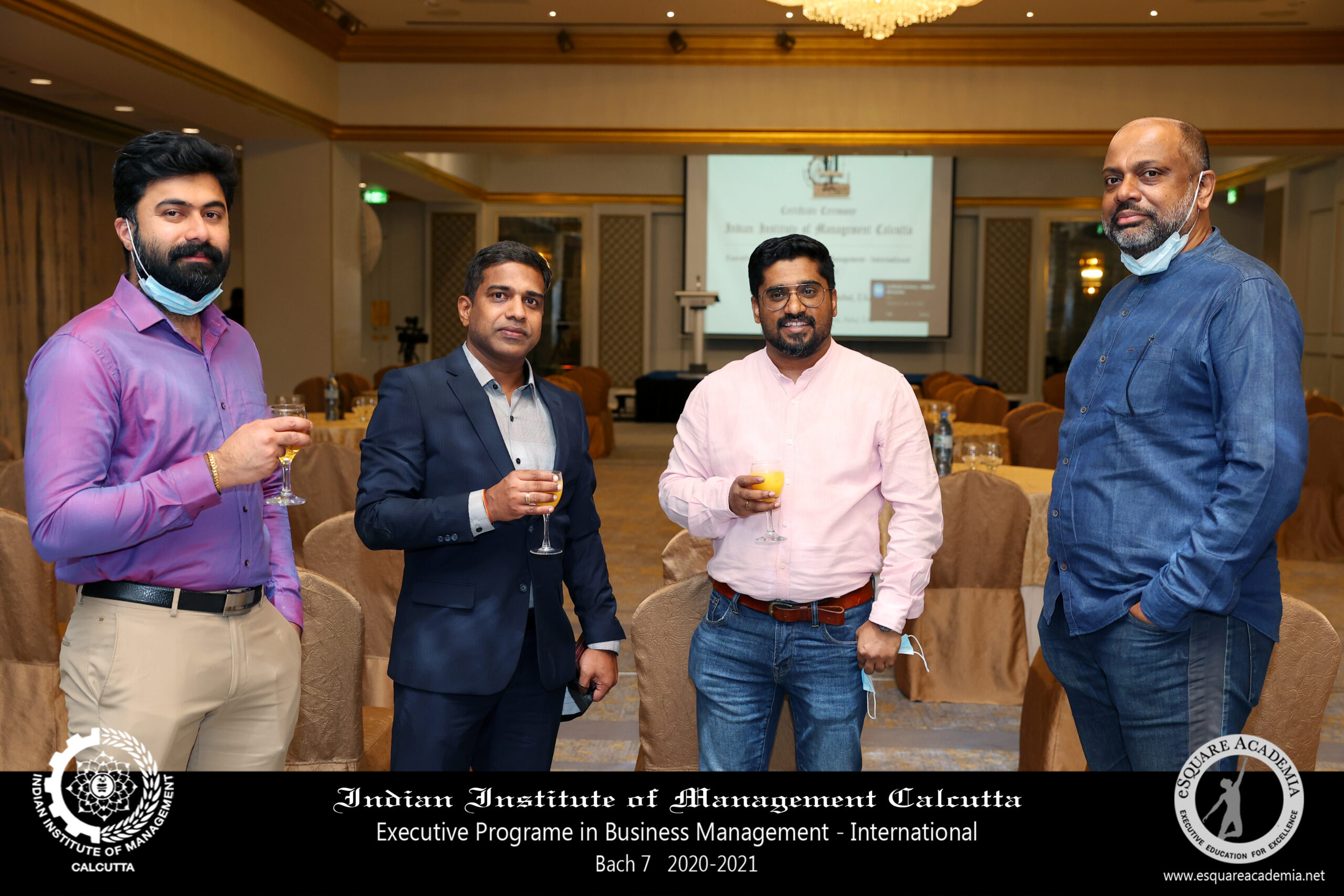
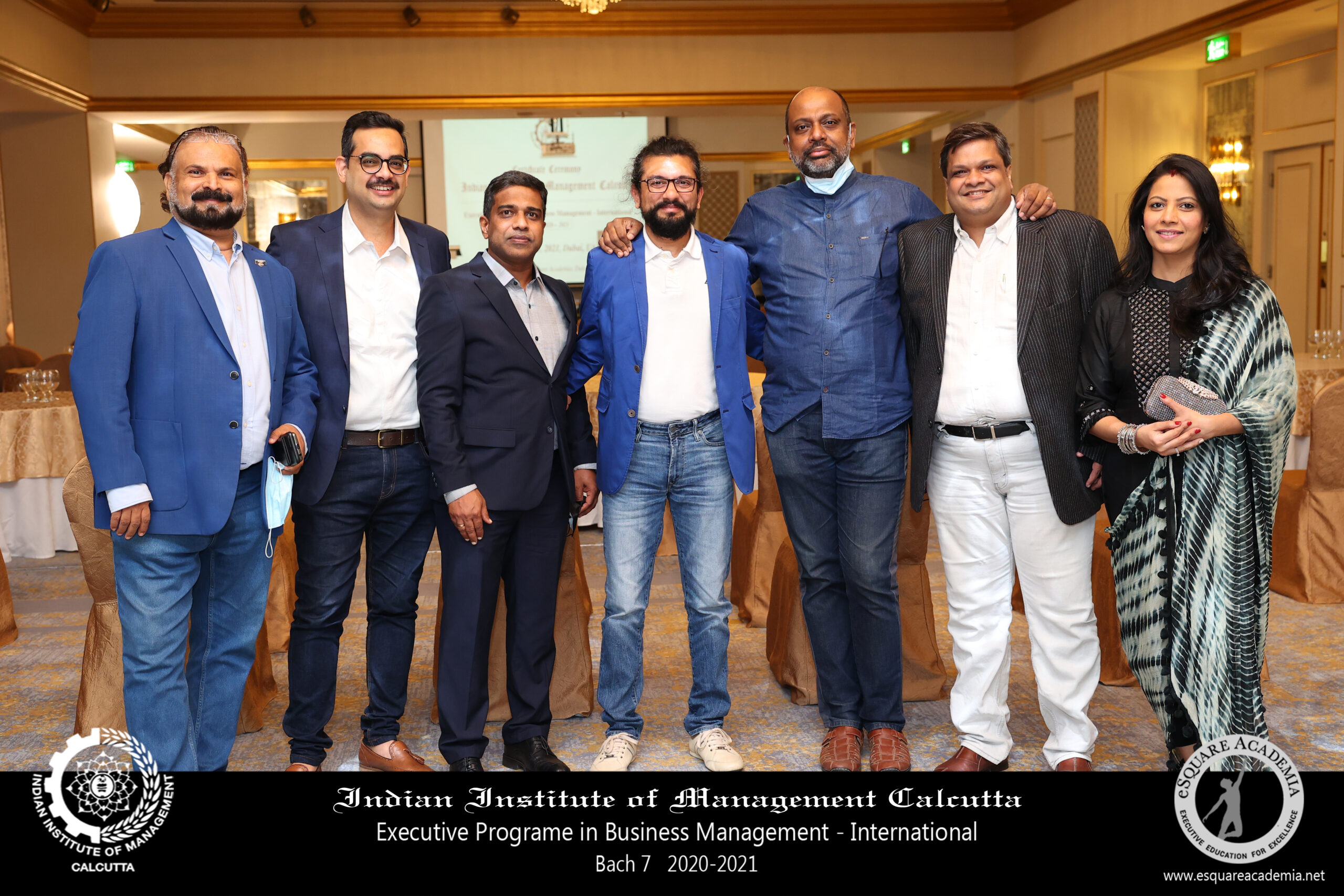
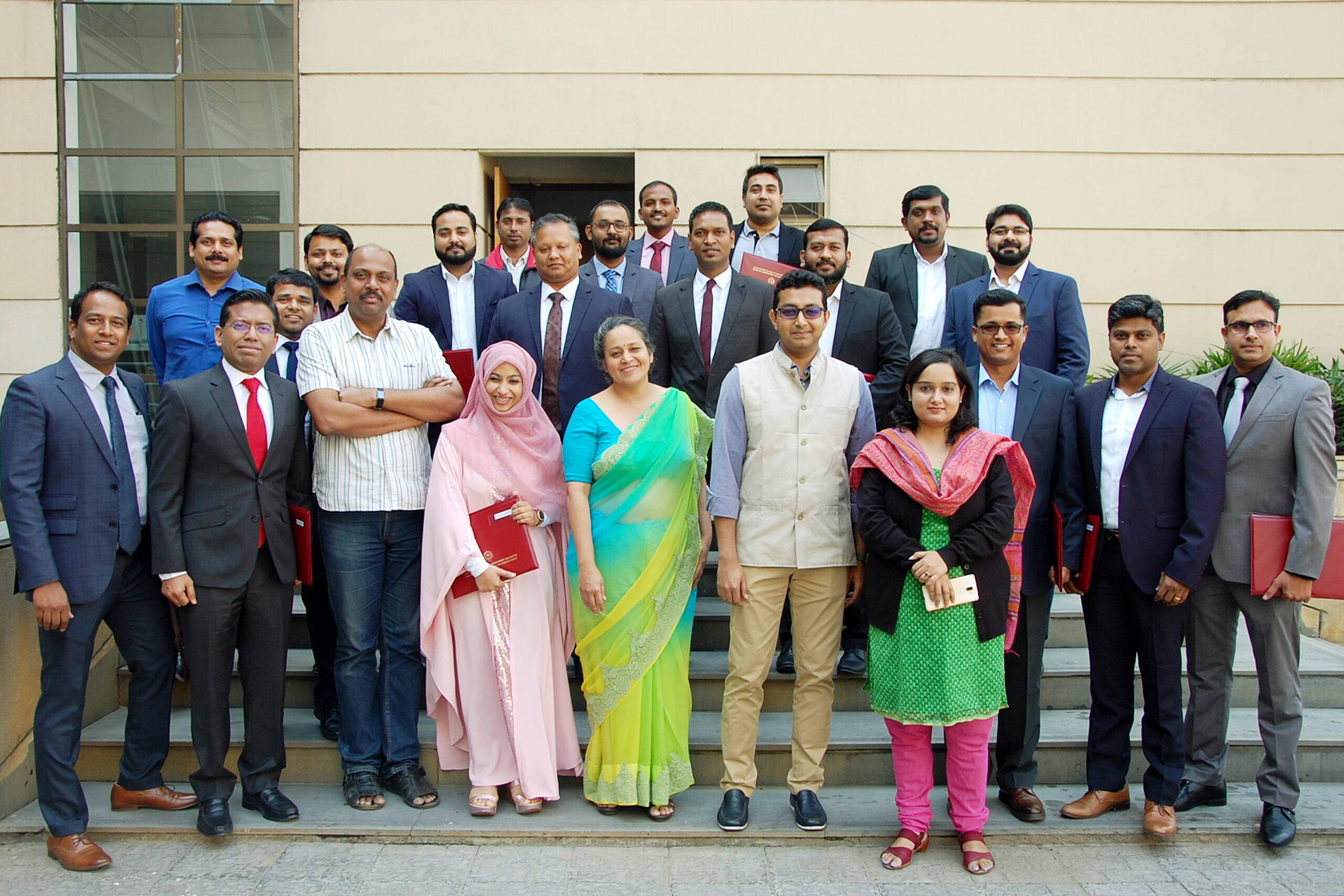
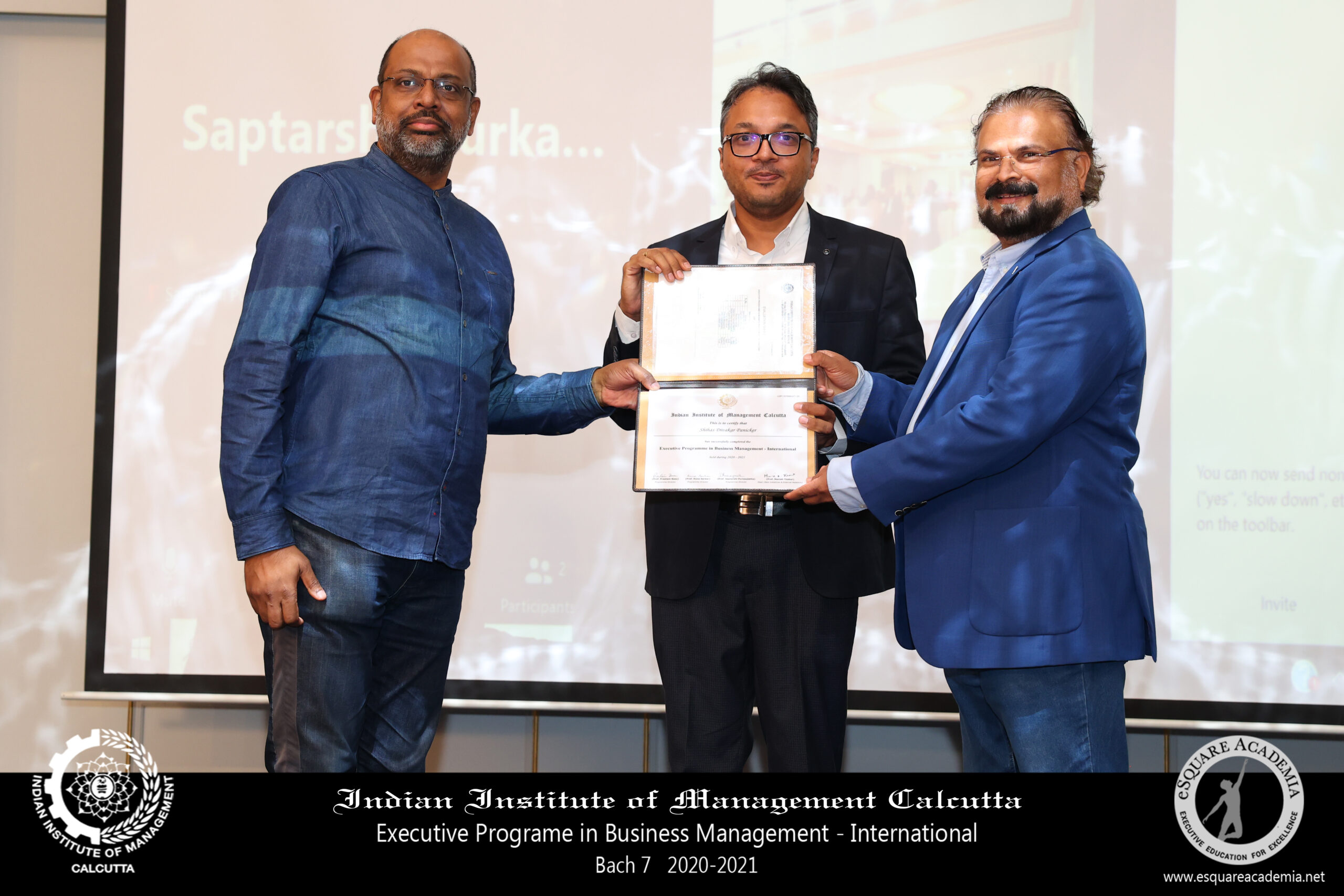
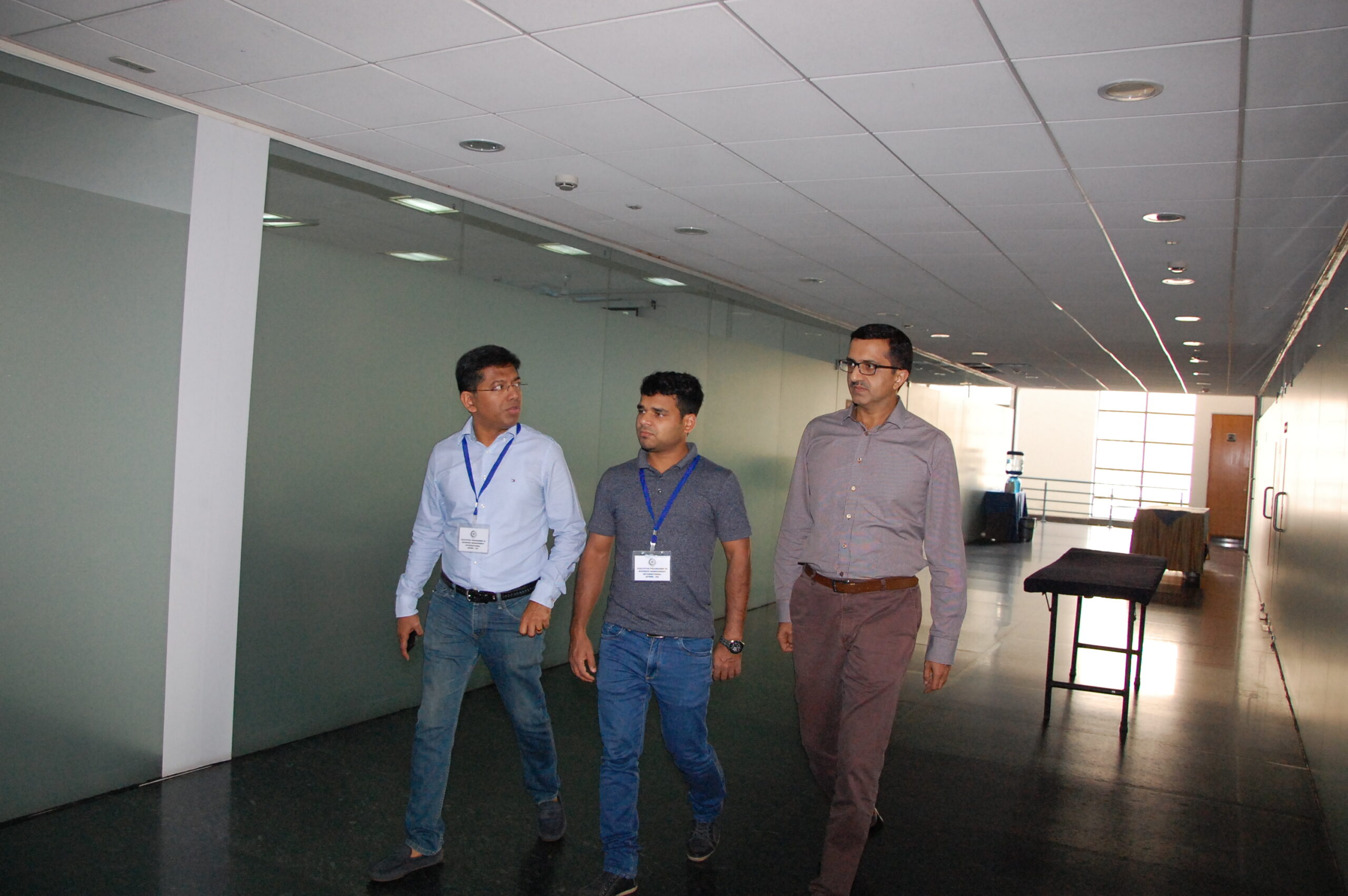
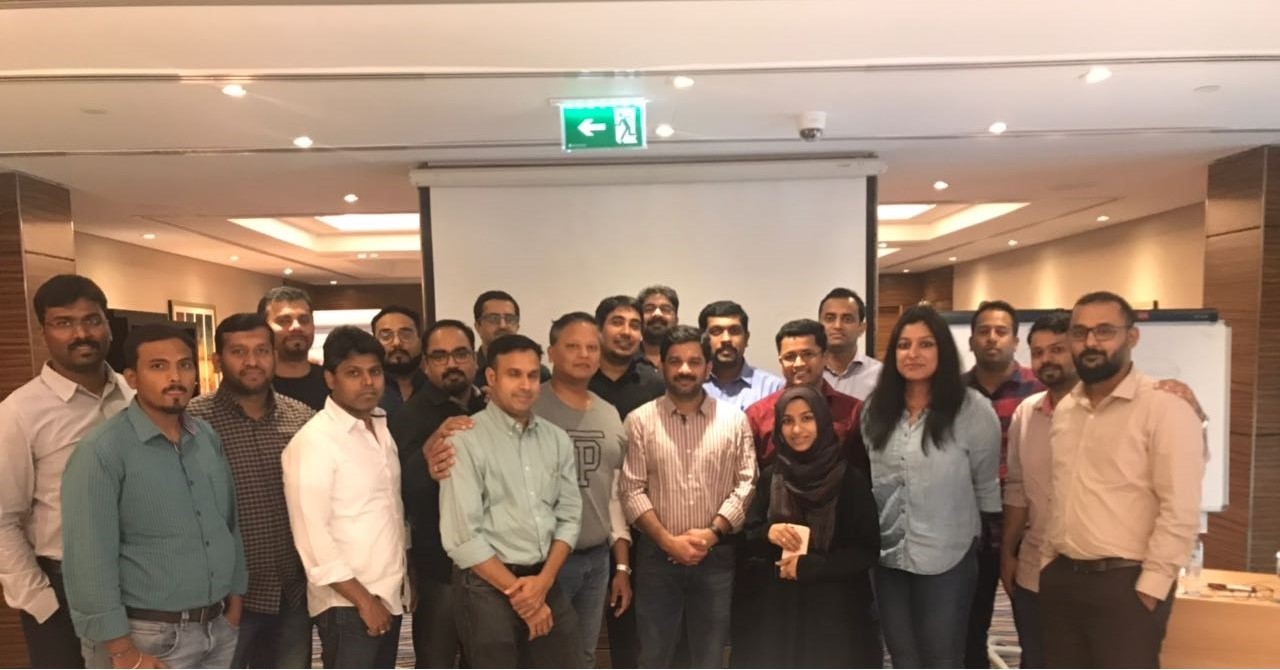
Students & Alumni Events

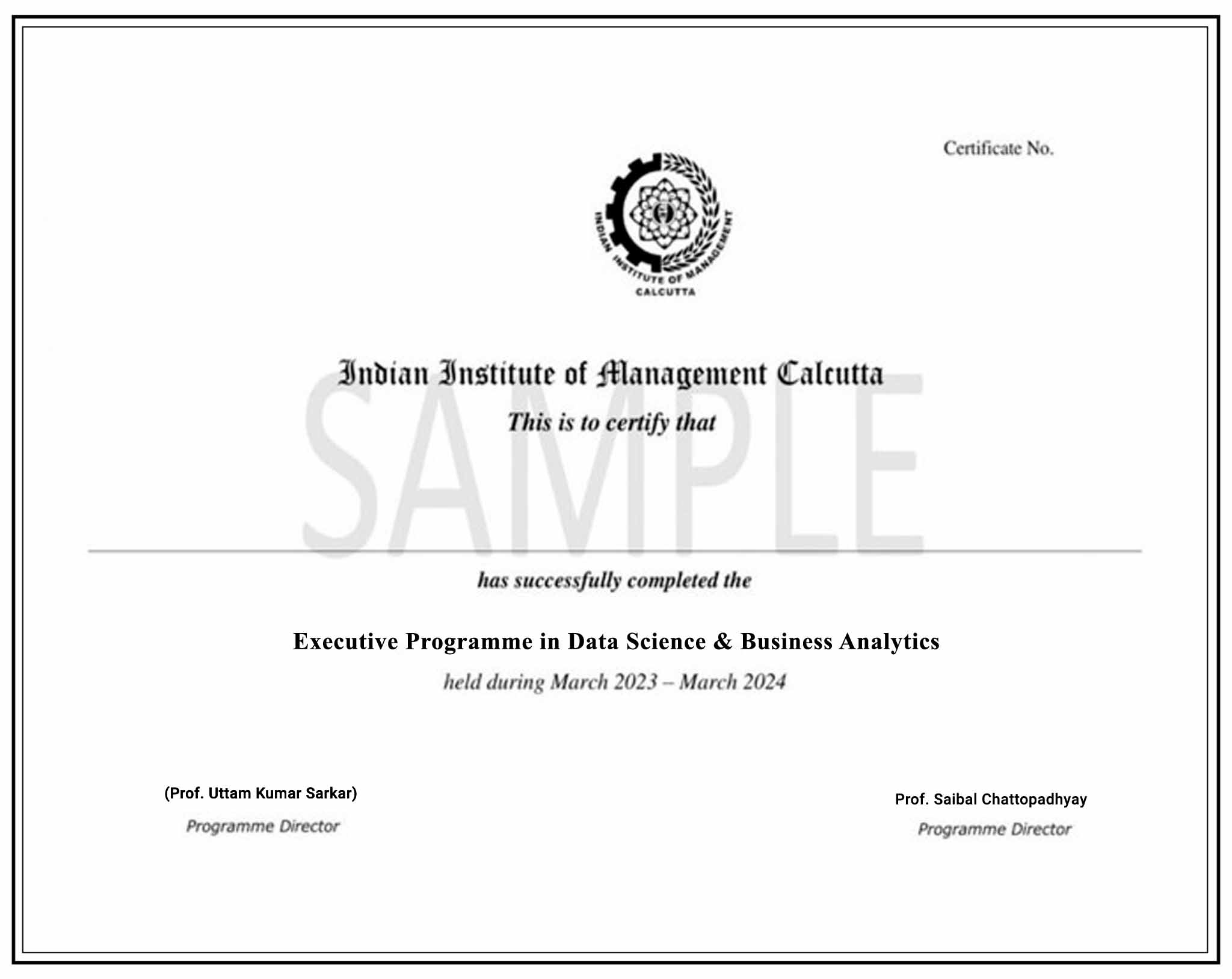
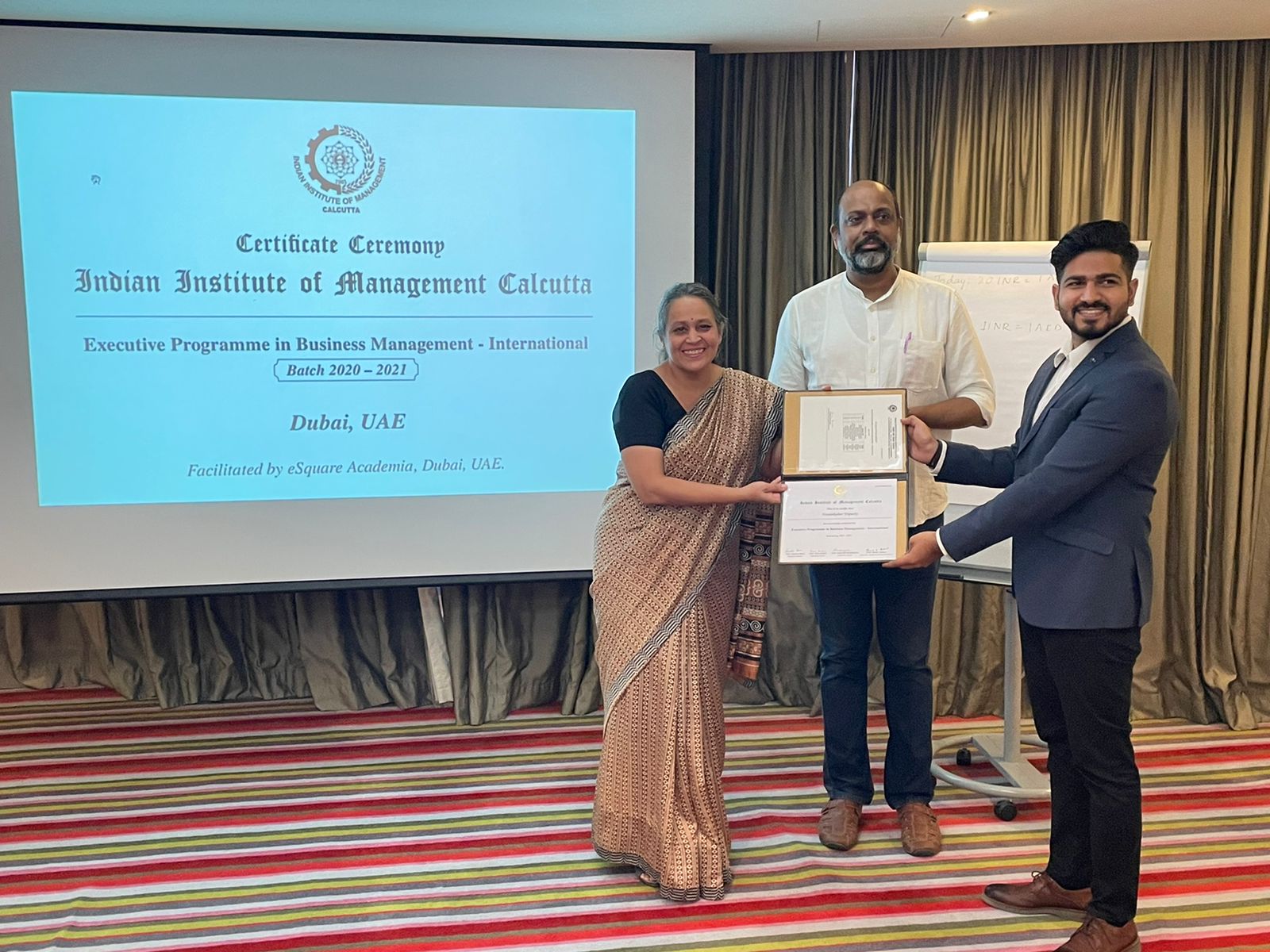
Certificate of
Completion

Who should attend

Managers or executives interested in learning and promoting strategic, tactical, or operational decision making effectively using data science and business analytics as decision making aids would find the programme useful. People in the role of Marketing Manager, Business Analyst, Customer Experience Professional, Product Manager, Human Resource Manager and others with a passion for data driven decision making and analytical approach to problem solving will appreciate the relevance of the subject. All participants will be assumed to be graduates or postgraduates in any discipline. There is no pre-requisite but, though not necessary, some familiarity with elementary .statistics and computer usage will be helpful.

Pedagogy

The programme will be offered through face-to-face interactions in a classroom environment.

Classroom lectures, Case study and participatory learning, Group games, Simulations, Hands-on-experience on assignments and project

Registration & Fee payment details

The fee can be remitted in Lumpsum, Three & Six Installments

12 months 0% fromย Emirates NBD Credit Card

How to Enroll

Interested candidates are requested to submit the completed application and all required documents at

the stipulated time, in order to prepare the application for review by the Admissions Committee. IIM Calcutta and Academia Direct reserve the right to foreclose applications depending upon exhaustion of seats

You may fill in the application form (sent by email or download from website) and email us or submit it in person at our office

Notification of Acceptance

We acknowledge receipt of all applications and maintain all application information in strict confidentiality.

The Admissions Committee will review applications and qualified candidates are informed and admitted on a rolling, space-available basis. Once the review process has begun, applicants are notified within minimum time period

via email regarding Admissions Committee decisions.

Considering the limited seats in the programme it is more beneficial to apply in the earlier round.

Alumni Status

  • LDP participants who complete the programme successfully become the Alumni of IIMC Executive Education, which currently has 27000 members
  • LDP Alumni are given an email-id in the IIM Calcutta domain.
  • LDP Alumni can register in the IIM Calcutta Alumni portal either with this email-id or with their personal email-ids. The IIM Calcutta Alumni portal is a common platform for Alumni of all programmes of the Institute to interact with each other and stay connected with the Institute.
  • The Institute shares newsletters, important news and articles about the Institute and its activities, the achievements of the Instituteโ€™s faculty, staff, students and alumni, upcoming events and programmes etc., on the portal.
  • Alumni can post their achievements, write about jobs or LIVE project opportunities for other alumni to see.
  • The IIM Calcutta alumni network can also be accessed on mobile phones through the mobile app.
  • Executive Education Alumni are entitled to a discount of 5% on the programme fee if they opt to do another LDP.
  • By using the different features of the IIM Calcutta portal, alumni across programmes can engage with each other in many meaningful ways. It is up to the alumni themselves to leverage the platform

Accelerate your Career With the Right Programme

Share your details and let our advisors guide you to excellence

Request Call back

Request Call back

This field is hidden when viewing the form
MM slash DD slash YYYY

Social Media

Get in touch
ยฉ 2024 All rights reserved. eSquare Academia

Design and Developedย  by Tomsher Technologies